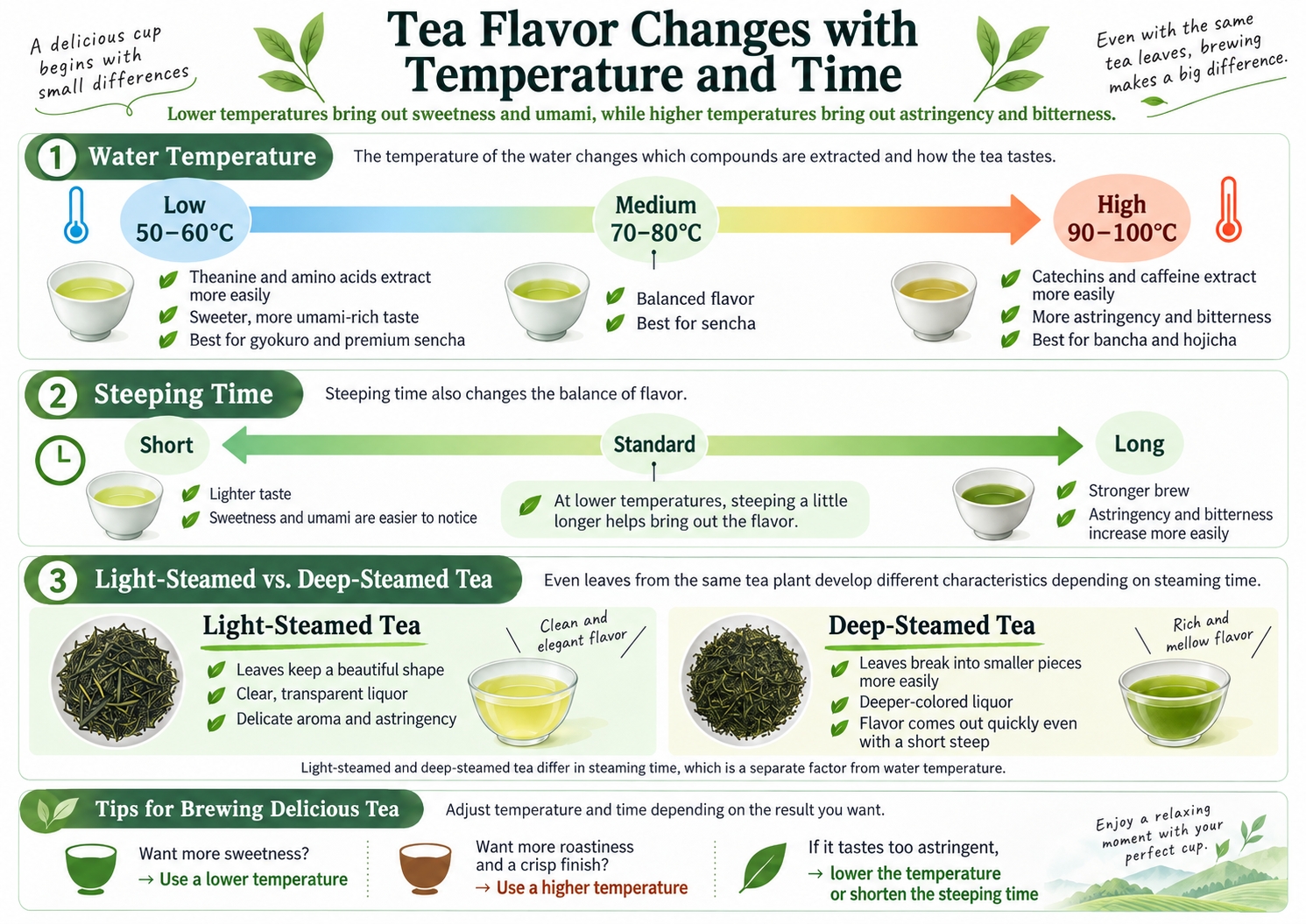
Lower-temperature water suppresses the extraction of strongly bitter and astringent compounds such as caffeine and gallated catechins. Amino acids, including theanine, can still dissolve at lower temperatures, so umami and sweetness become more noticeable in the overall balance.
For a broader explanation of why Japanese green tea becomes astringent—including catechins, harvest season, cultivar, shading and processing—see Why Is Green Tea Astringent?
This does not mean cool water always extracts a larger absolute amount of theanine than hot water. The main difference is that less bitterness and astringency makes the softer flavors easier to taste.
Contents
Why does water temperature change the taste of tea?
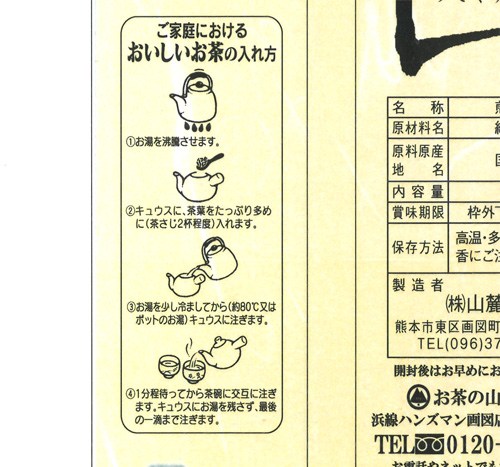
Tea packages often say, “Let the boiling water cool before brewing.” The instruction is useful, but the reason is not always explained. Once you understand what temperature does, it becomes much easier to adjust the brew for different teas and personal preferences.
Green tea contains several groups of water-soluble compounds. Their extraction does not increase at exactly the same rate as the water becomes hotter.
| Compound group | Taste contribution | General response to temperature |
|---|---|---|
| Amino acids, including theanine and glutamic acid | Umami, sweetness and brothy depth | Can dissolve even at relatively low temperatures |
| Gallated catechins, including EGCG | Astringency and bitterness | Extraction rises more strongly as temperature increases |
| Caffeine | Clean bitterness and stimulation | Extracts more readily with hotter water |
| Volatile aroma compounds | Fresh, floral, roasted and sweet aromas | Higher temperatures make aroma more immediately noticeable |
At a lower temperature, a tea may taste sweeter not because it suddenly contains more sugar or more total theanine, but because less astringency and bitterness enter the cup. At a higher temperature, the cup usually becomes stronger and more aromatic, but it can also become harsher.
Low temperature favors a gentle balance. High temperature favors stronger extraction. Neither is automatically better.
Recommended brewing temperatures by tea type
| Tea | Water temperature | Typical time | What to expect |
|---|---|---|---|
| Gyokuro | 50–60°C / 122–140°F | About 2 minutes | Concentrated umami and sweetness with limited astringency |
| Premium sencha | 60–75°C / 140–167°F | 60–90 seconds | More sweetness and umami, softer bitterness |
| Everyday sencha | 70–80°C / 158–176°F | 45–90 seconds | A balanced cup with aroma, umami and refreshing astringency |
| Deep-steamed sencha | 70–80°C / 158–176°F | 30–60 seconds | Full color and body; fragmented leaves extract quickly |
| Bancha | 90–100°C / 194–212°F | 30–60 seconds | Light, brisk and refreshing |
| Hojicha | 95–100°C / 203–212°F | 30–60 seconds | Roasted aroma and a clean finish |
| Japanese black tea | 95–100°C / 203–212°F | 2–4 minutes | Full aroma, body and color |
These are starting points, not strict rules. If the cup feels too weak, raise the temperature or extend the time. If it feels too bitter, lower the temperature or shorten the brew.
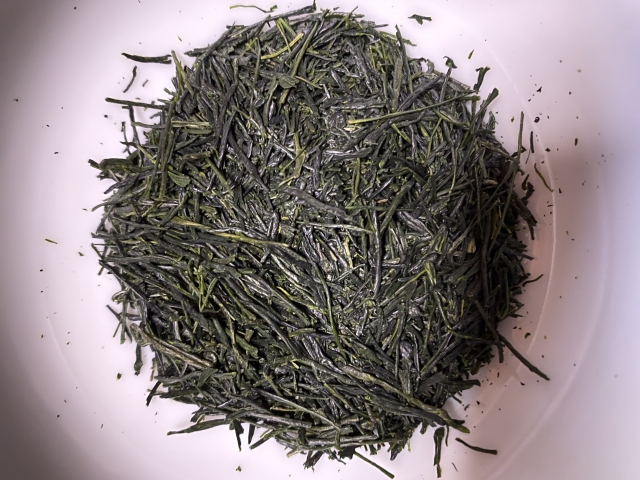
For a fuller explanation of why gyokuro is shade-grown, how it differs from sencha and kabusecha, and what distinguishes Yame Gyokuro from Traditional Authentic Yame Gyokuro, see our detailed guide to Gyokuro.
Choose a naturally mellow tea, such as a shaded first-harvest tea or a low-astringency cultivar, and brew it slightly hotter for a shorter time.
How to cool boiling water without a thermometer
A Japanese yuzamashi is a small cooling vessel used to reduce the temperature of boiled water before it reaches the teapot. You can also pour water into the cups first and then transfer it to the teapot.
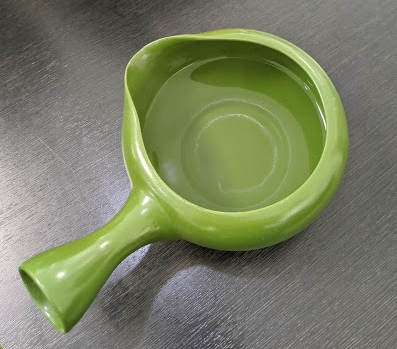
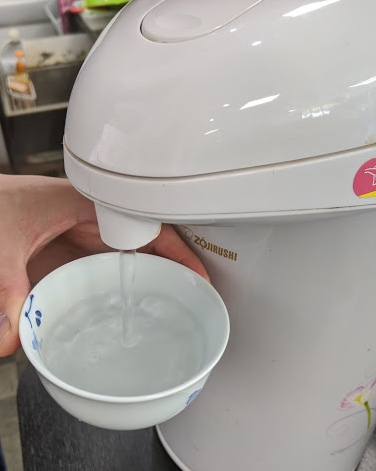
Boiling gives you a consistent starting point.
One transfer often lowers the temperature by roughly 5–10°C, depending on the vessel and volume.
Gyokuro usually needs more cooling than sencha.
Start timing immediately and serve all cups evenly.
Cold-brew green tea: mild, sweet and low in bitterness
Cold water extracts caffeine and gallated catechins more slowly than hot water. Amino acids and some other compounds still enter the water, so cold-brew sencha often tastes smooth, sweet and refreshing.
Cold brew is not caffeine-free. The final amount depends on the leaf, leaf quantity, water temperature and brewing time.
Why the second infusion is usually hotter and shorter
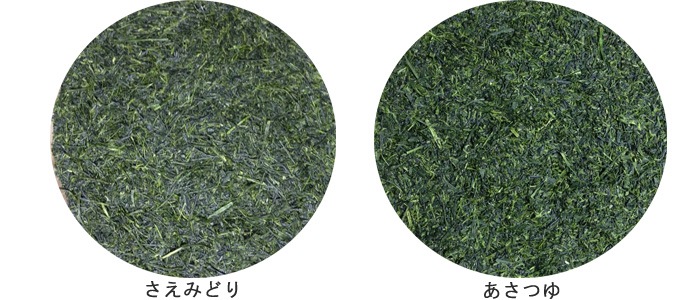
During the first infusion, amino acids and other readily soluble compounds enter the water, while the leaves absorb water and begin to open. By the second infusion, the leaves are already wet and extraction starts quickly.
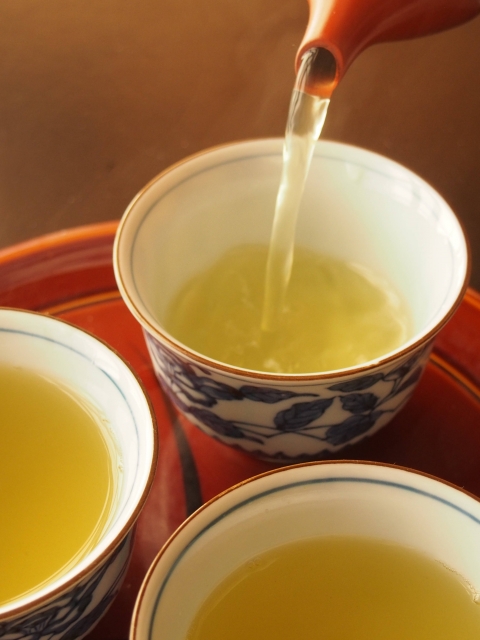
For that reason, a practical second infusion is usually hotter than the first and much shorter—often only 10 to 30 seconds for sencha.
Temperature and time work together
| Adjustment | Likely result |
|---|---|
| Lower temperature + longer time | Gentle, concentrated umami with restrained bitterness |
| Higher temperature + shorter time | Clear aroma, briskness and a bright finish |
| Higher temperature + longer time | Strong extraction, more bitterness and astringency |
| Lower temperature + short time | Very light and delicate; may feel thin if too little leaf is used |
Leaf quantity matters just as much. Many disappointing cups are caused by too little tea rather than the wrong temperature.
How temperature changes aroma
Hot water releases aroma quickly. Fresh green notes, floral notes and roasted aromas become more obvious above the cup. Cold tea has a quieter aroma, but it can preserve a calm leafy character and may feel cleaner in the mouth.
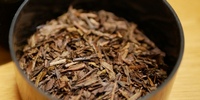
Hojicha is often low in caffeine because it is frequently made from mature leaves and stems that already contain less caffeine than tender young leaves. Roasting changes aroma and taste dramatically, but roasting alone does not guarantee that every hojicha will be extremely low in caffeine.
Does water temperature matter for matcha?
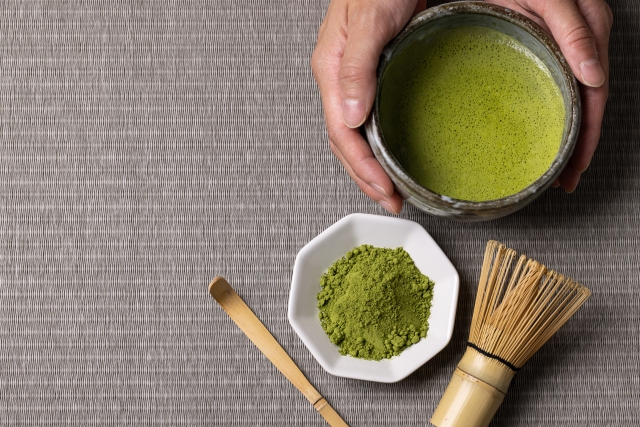
Yes—but not in exactly the same way as sencha. With sencha, the liquid is separated from the leaves, so temperature changes how much of each compound is extracted. With matcha, the powdered leaf remains in the drink and is consumed.
| Characteristic | Warm matcha | Cold matcha |
|---|---|---|
| Aroma | More immediate and expressive | Quieter and more restrained |
| Bitterness and astringency | Often perceived more clearly | Often feels softer |
| Mouthfeel | Rich and rounded | Light and refreshing |
| Leaf compounds consumed | Broadly similar when the same amount of matcha is fully consumed; temperature mainly changes aroma, dispersion and sensory perception | |
For traditional thin tea, about 70–80°C / 158–176°F is a useful starting range.
Soft water usually suits Japanese green tea best
Most tap water in Japan is relatively soft. In hard-water regions, minerals—especially calcium and magnesium—can interact with tea compounds and change color, clarity and flavor. Delicate sencha may taste dull, heavy or less fragrant.
When brewing Japanese green tea overseas, try a low-mineral bottled water if your tap water is very hard. Avoid distilled water as the first choice: water with no minerals at all can also make tea taste flat.
Before judging a sample, brew it with both local water and a neutral soft water. Sometimes a tea that seems weak or harsh is reacting to the water rather than reflecting the true quality of the leaf.
Frequently asked questions
Is lower temperature always better for high-quality green tea?
No. Lower temperature highlights umami and suppresses bitterness, but some teas need more heat to show their aroma and structure.
Does cold-brew green tea contain no caffeine?
No. Cold brewing generally extracts less caffeine than hot brewing under comparable conditions, but the drink is not caffeine-free.
Can I brew sencha with boiling water?
Yes. Use a shorter brewing time if you want to avoid excessive bitterness.
Why does deep-steamed tea need less time?
The leaves are softer and more fragmented after longer steaming, so water reaches the inner leaf material quickly.
Japanese tea from Kumamoto and Kyushu
Sanrokuen is a Japanese tea company based in Kumamoto. We handle sencha, tamaryokucha, kamairicha, matcha and other teas for daily drinking, retail, cafés, restaurants and business use.
Return to the Japanese Green Tea page
Explore 28 types of Japanese tea
Compare Matcha, Sencha, Kabusecha, Gyokuro and Tencha
Learn about Sanrokuen matcha
Contact Sanrokuen in English
Sources and further reading
- Ministry of Agriculture, Forestry and Fisheries of Japan: How to Prepare Tasty Green Tea
- Health Functions of Compounds Extracted in Cold-Water Brewed Green Tea
- Contribution of Green Tea Constituents to Taste Intensity
- Chemical Components of Matcha and Powdered Green Tea
- Original Japanese article by Sanrokuen
Brewing recommendations are practical starting points. Results vary with cultivar, harvest season, leaf size, storage condition, water quality, leaf quantity and personal preference. This page provides general tea information and is not medical advice.