1. What Is Gyokuro?
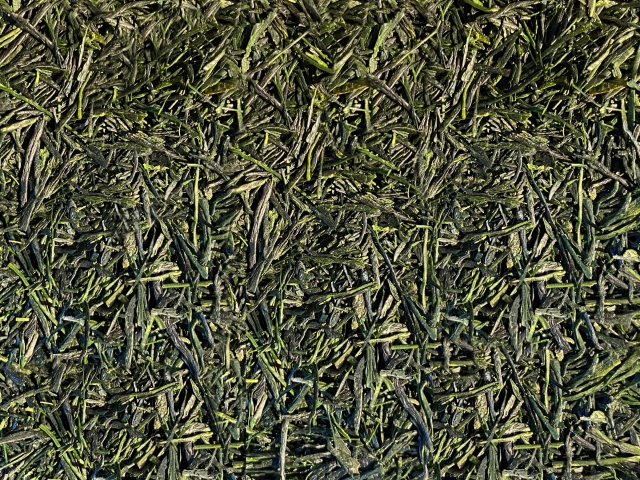
Gyokuro (玉露) is a Japanese green tea made from tea shoots that are deliberately shaded before harvest. It belongs to the same broad family of steamed Japanese green teas as sencha, but its field management is very different.
Ordinary sencha is generally grown in open sunlight. Gyokuro, by contrast, is covered before harvest so that the developing shoots receive much less light. After picking, the leaves are steamed to stop enzymatic oxidation, then rolled and dried into the narrow, needle-like form associated with high-quality Japanese leaf tea.
The Ministry of Agriculture, Forestry and Fisheries of Japan (MAFF) describes gyokuro as a tea cultivated under the ooishita or covered-cultivation method, with young leaves shaded from direct sunlight for around 20 days. The exact field practice varies by producer and region, but long, intensive shading is central to gyokuro’s identity.
Gyokuro is one part of a much broader Japanese tea tradition. If you want to see where gyokuro fits alongside sencha, matcha, hojicha, genmaicha and other styles, see our guide to 28 types of Japanese tea.
2. Why Does Gyokuro Taste So Umami-Rich?
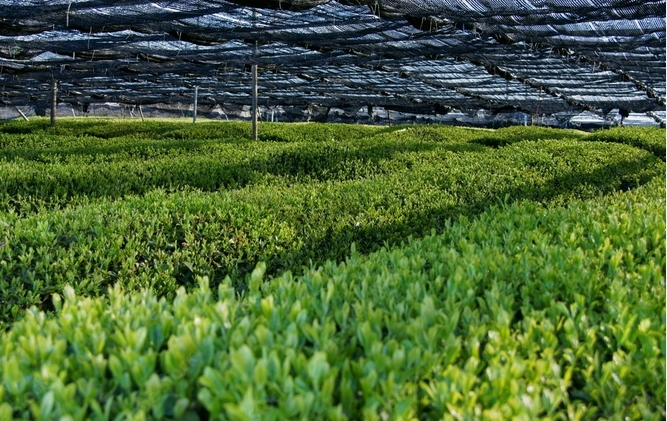
One of the most important compounds behind green tea umami is theanine, an amino acid naturally present in tea leaves. When tea shoots grow in strong sunlight, part of the nitrogen metabolism of the leaf shifts and catechin formation progresses. Strong shading alters that balance.
Compared with otherwise similar sun-exposed shoots, covered cultivation generally helps preserve a higher amino-acid character while suppressing some of the increase in catechins associated with stronger astringency. The result is not simply “more theanine equals better tea.” Cultivar, soil, fertilizer management, harvest timing, weather and processing all matter. But shading is a major reason gyokuro tends to show more umami and softer astringency than ordinary sencha.
This is also why it is useful to think of shading as a continuum. Open-field sencha, shorter-shaded kabusecha, long-shaded gyokuro and long-shaded tencha may begin from the same species of tea plant, yet the amount and duration of light restriction can send their sensory character in very different directions.
For a deeper cultivation and processing comparison, see our Matcha vs Green Tea guide.
3. What Is Ooi-ka, the “Covered Aroma” of Gyokuro?
When you smell a well-made gyokuro, you may notice a fragrance that is quite different from ordinary sencha. In Japanese tea this is called ooi-ka (覆い香), literally the aroma created by covered cultivation.
It is often described in English as marine, seaweed-like, nori-like, fresh green or shaded-leaf aroma. No single English description captures it perfectly. The important point is that this is not an added flavor. It develops from the tea plant’s response to shaded cultivation and the subsequent manufacturing process.
High-quality gyokuro therefore is not just “sweet green tea.” Its identity comes from the combination of concentrated umami, sweetness, texture, very controlled astringency and this recognizable covered aroma.
4. How Is Gyokuro Made?
Gyokuro’s most unusual stage happens before harvest, but after the leaves are picked its manufacturing route is broadly related to sencha production.
Fresh leaves are quickly steamed to inactivate enzymes that would otherwise drive oxidation. The steamed leaves then pass through repeated rolling and drying stages. These steps reduce moisture and shape the leaves into the slender form associated with gyokuro and sencha.
Gyokuro and matcha are not the same processing route
Gyokuro and tencha—the raw material for matcha—can both be strongly shaded before harvest. The decisive difference comes after steaming. Gyokuro is rolled and dried as an infusion tea. Tencha is dried without the intensive rolling used for gyokuro, then refined; only after refined tencha is finely milled does it become matcha.
5. Gyokuro vs Kabusecha vs Sencha
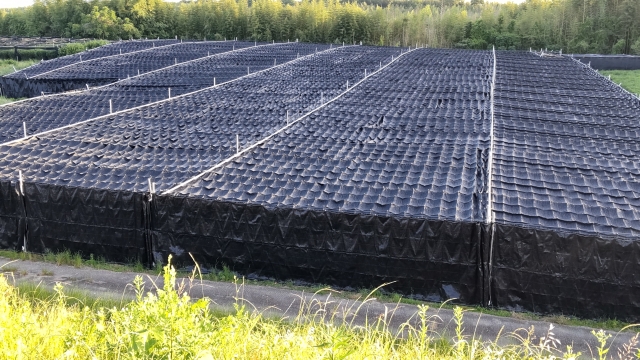
Gyokuro is often confused with kabusecha because both are shaded before harvest. The easiest starting point is the duration and intensity of shading, although final classification also depends on established Japanese production and labeling practice.
| Tea | Pre-harvest light | Typical shading guide | Typical sensory direction | After steaming |
|---|---|---|---|---|
| Gyokuro | Strongly shaded | Around 20 days is a common Japanese reference | Deep umami, sweetness, rich ooi-ka, soft astringency | Rolled and dried |
| Kabusecha | Shaded | Often around a week; producer practices vary | Bridge between sencha freshness and shaded-tea umami | Usually rolled and dried |
| Sencha | Usually open field | No deliberate pre-harvest covering in the standard style | Fresh aroma, briskness, umami plus more noticeable astringency | Rolled and dried |
Kabusecha is not simply “lower-grade gyokuro”
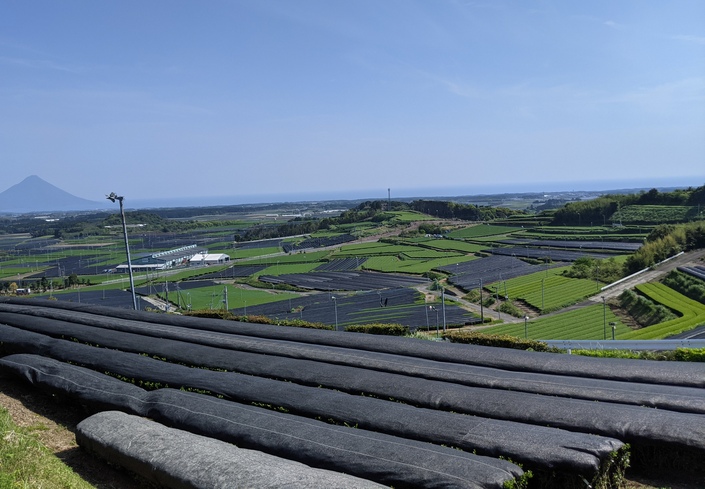
Kabusecha is better understood as its own style of covered green tea. Shorter shading often preserves more of sencha’s refreshing profile while adding a deeper green appearance, softer astringency and more savory character. Quality can range from everyday to excellent; the name itself is not a simple quality ranking.
6. Major Gyokuro-Producing Regions in Japan
Gyokuro is produced in several Japanese tea regions. Kyoto and Fukuoka are particularly famous for premium gyokuro, while Mie is also recognized as an important producing prefecture.
Uji and the surrounding Yamashiro tea districts in Kyoto are deeply associated with covered cultivation and the historic development of gyokuro and tencha. In Kyushu, the Yame region of Fukuoka is one of the best-known names for gyokuro and is home to the registered Geographical Indication discussed below.
Origin alone does not determine quality. Cultivar, farm, shading method, harvest, plucking standard, steaming, rolling, finishing and storage all influence the final cup.
7. What Is Yame Gyokuro?
Yame is a tea-producing area in Fukuoka Prefecture on the island of Kyushu. The region is widely respected in Japan for premium green tea, especially gyokuro.
When reading Japanese labels, however, it is important to distinguish between Yame gyokuro in general and the specific registered name 八女伝統本玉露 (Yame Dentou Hongyokuro). They are related, but they are not interchangeable terms.
8. What Is Traditional Authentic YAME GYOKURO?
Traditional Authentic YAME GYOKURO is the official English registered name used by Japan’s Ministry of Agriculture, Forestry and Fisheries for 八女伝統本玉露 (Yame Dentou Hongyokuro). It was registered under Japan’s Geographical Indication (GI) protection system as Registration No. 5 on December 22, 2015.
According to MAFF, the production area is Fukuoka Prefecture, and the traditional production method includes important practices such as:
- trellis-style covering using natural materials such as rice straw;
- natural-bush training rather than simply treating the field like an ordinary machine-harvested tea garden; and
- hand harvesting under the registered production system.
MAFF describes the finished tea as very rich, mellow and full-bodied, with strong umami and a high level of the characteristic ooi-ka created by covered cultivation. The ministry also notes that these production methods have been inherited for more than 110 years.
9. Which Cultivars Are Used for Gyokuro?
Gyokuro is not a cultivar name. Many Japanese tea cultivars can be used, and the cultivar can have a noticeable effect on aroma, color, umami, sweetness and astringency.
Examples you may encounter include:
- Yabukita — Japan’s most widely known tea cultivar and capable of producing many styles of green tea.
- Saemidori — valued for bright color and a soft, sweet character in suitable growing conditions.
- Okumidori — often appreciated for deep green color and a balanced shaded-tea profile.
- Gokou, Samidori and Ujihikari — cultivars especially associated with high-end covered tea production in Kyoto.
For tea lovers, cultivar information can be as useful as origin. Two gyokuro teas from the same region may taste quite different if the cultivar, shading regime or finishing style changes.
To compare cultivars such as Yabukita, Saemidori, Okumidori and Seimei in more detail, see our Japanese tea and matcha cultivar guide.
10. Why Is Gyokuro Expensive?
Gyokuro generally costs more than everyday sencha because the field and production requirements are more demanding and the target leaf standard is often higher.
Cost can reflect several factors:
- installation and management of shading materials;
- careful nutrition, irrigation and field management;
- limited spring harvest windows for premium material;
- lower-volume production compared with mass-market tea;
- hand harvesting or selective plucking for special lots;
- sorting, refining, finishing and storage;
- regional reputation, cultivar scarcity and competition-grade production.
Traditional Authentic YAME GYOKURO adds further labor through its registered traditional methods, including natural-material covering and hand harvesting.
Price still should not be treated as a perfect sensory score. An expensive gyokuro may represent real scarcity and craftsmanship, but whether you prefer it depends on the style of umami, aroma, texture and brewing experience you want.
11. How to Brew Gyokuro
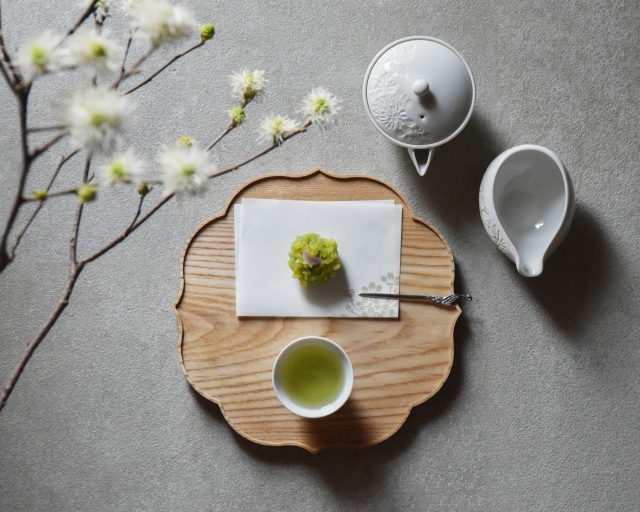
Brewing gyokuro like everyday sencha—large volume, hot water, short infusion—can hide the very qualities that make it special. A lower temperature and smaller amount of water allow its umami and sweetness to dominate the cup.
These figures are a starting point, not a rigid rule. Very high-grade gyokuro can be enjoyed with even cooler water and a very small volume for an almost concentrated, soup-like infusion. If you want more aroma and briskness, raise the temperature slightly. If you want a softer, sweeter, umami-led cup, use cooler water and allow more time.
Second infusion: hotter and faster
After the first infusion, the leaves are already open and hydrated. For the second infusion, use slightly hotter water and a much shorter steep. This brings out more aroma and a different balance of umami, bitterness and astringency.
For the chemistry behind temperature and extraction, see our Japanese Green Tea Brewing Temperature Guide.
12. Ice-Brewed Gyokuro
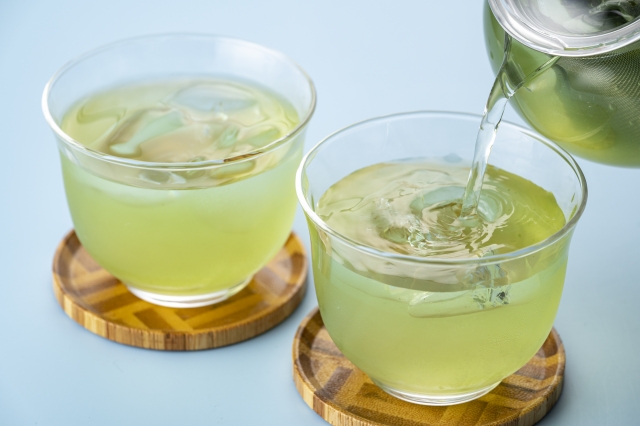
Gyokuro can also be extracted slowly with melting ice. This is not the fastest way to make tea, but it is a useful way to experience how dramatically temperature changes the balance of the same leaves.
- Place a generous amount of gyokuro in a small kyusu, shiboridashi or similar vessel.
- Place clean ice directly over the leaves.
- Allow the ice to melt slowly without rushing the extraction.
- Pour the small amount of concentrated liquor and taste it slowly.
The result can be intensely umami-rich and sweet. Because the extraction is extremely cold, it is usually much less brisk than a hot infusion.
13. How to Choose Gyokuro
Do not choose gyokuro by price alone. Useful information includes:
- Origin: Yame, Uji and other producing regions can have different traditions and styles.
- Cultivar: cultivar affects color, aroma and taste direction.
- Harvest: premium gyokuro is strongly associated with tender spring material.
- Shading and plucking method: special production systems may add both sensory character and cost.
- Leaf appearance: fine, dark, glossy leaves may reflect careful manufacture, but appearance alone does not prove cup quality.
- Your purpose: a concentrated tasting tea and an easier everyday gyokuro do not need to be the same product.
If you are new to gyokuro, start with a clearly labeled tea whose origin and cultivar are known. Brew it at several temperatures before deciding what style you prefer.
14. Sanrokuen Yame Gyokuro
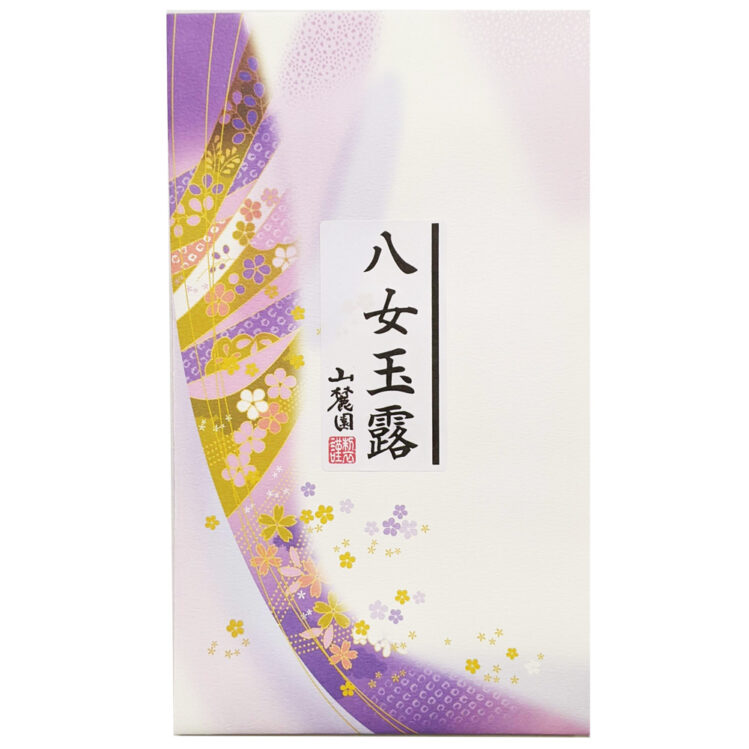
Sanrokuen offers gyokuro from Yame, Fukuoka. It is a good choice for drinkers who want to experience the concentrated umami and mellow character that distinguish gyokuro from ordinary sencha.
Customers in Japan can view the product through our domestic sales channels. Overseas availability depends on destination, quantity, shipping method and local food-import requirements; please contact us in English for practical options.
15. Frequently Asked Questions
Is gyokuro the same as matcha?
No. Both may use strong pre-harvest shading, but the processing route is different. Gyokuro is steamed, rolled and dried as a leaf tea for infusion. Matcha is made by finely milling refined tencha, which is dried without the intensive rolling used for gyokuro.
What is the difference between gyokuro and kabusecha?
Both are shaded green teas. Gyokuro is generally shaded for a longer period and is associated with deeper umami and stronger covered aroma. Kabusecha is usually shaded for a shorter period, often leaving more of sencha’s fresh and brisk character.
Is every Yame gyokuro Traditional Authentic YAME GYOKURO?
No. Traditional Authentic YAME GYOKURO is a registered Japanese Geographical Indication. Only tea produced under the registered production standards and process-management system can use that GI name.
Why is gyokuro brewed with cooler water?
Cooler water suppresses the extraction of strongly bitter and astringent compounds relative to hotter brewing, making the tea’s amino-acid-rich umami and sweetness more prominent in the overall taste balance.
Can I brew gyokuro like sencha?
You can, but you may miss much of what makes gyokuro distinctive. Start around 50–60°C (122–140°F), use a small amount of water, and steep for about two minutes. Then adjust temperature and time to match the particular tea and your taste.
Conclusion: Gyokuro Begins in the Tea Field
Gyokuro is not simply “very expensive sencha.” Its character begins before harvest, when the developing shoots are shielded from sunlight. Shading changes the plant’s chemistry and aroma development; steaming, rolling and drying then turn those shaded leaves into a finished infusion tea.
The result can be one of the most concentrated expressions of Japanese green tea: deep umami, sweetness, a dense mouthfeel and the unmistakable ooi-ka of covered cultivation. Yame adds another important layer to the story through the registered Traditional Authentic YAME GYOKURO production system, where techniques such as natural-material covering and hand harvesting preserve a long regional tradition.
If you normally drink sencha, try gyokuro with much cooler water and far less volume. The contrast is one of the clearest ways to understand how cultivation and brewing can transform the taste of the same tea plant.
Primary References & Editorial Notes
- Ministry of Agriculture, Forestry and Fisheries of Japan (MAFF): Product Summary, Registration No. 5 — Traditional Authentic YAME GYOKURO
- MAFF: Uji Tea — production methods for tencha, gyokuro, sencha and kabusecha
- MAFF: Traditional Foods in Japan — Beverages / Japanese green tea
- Sanrokuen: Why Water Temperature Changes the Taste of Japanese Green Tea
- Sanrokuen: Matcha vs Green Tea — Sencha, Kabusecha, Gyokuro and Tencha
This English guide is adapted from Sanrokuen’s Japanese gyokuro article and retains the original photographs while updating terminology and explanations for an international audience. Tea composition and sensory character vary by cultivar, farm, season, shading, processing and brewing conditions; numerical brewing guides should be treated as practical starting points rather than universal rules.